When looking at a tyre, you might notice a series of numbers and letters along the sidewall. To the untrained eye, these markings can seem like random information. However, each part of the code reveals something important about the tyre’s specifications, performance, and suitability for your vehicle. In this guide, we’ll break down what these tyre markings mean, helping you choose the right tyre for your driving needs.
Key Components of Tyre Labelling
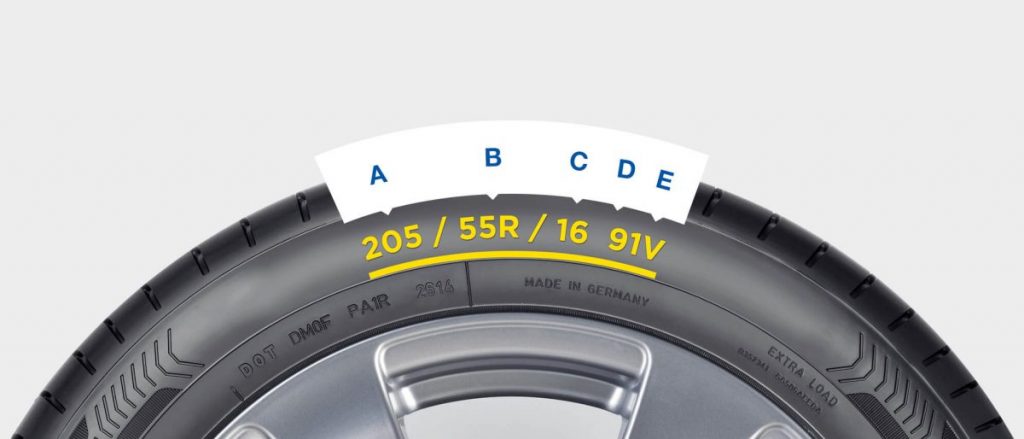
A typical tyre label might look like 205/55 R16 91V. Let’s break down each part of this code:
1. Tyre Width (205)
The first number on the label, in this case, 205, indicates the tyre’s width in millimetres, measured from sidewall to sidewall. This is the section width, and a wider tyre generally provides more grip on the road, enhancing handling and stability. However, wider tyres may also create more rolling resistance, potentially reducing fuel efficiency.
2. Aspect Ratio (55)
The second number, 55, refers to the aspect ratio or profile of the tyre. This number represents the height of the tyre’s sidewall as a percentage of the tyre’s width. In this example, the height of the sidewall is 55% of the width (205mm), or roughly 113mm.
Lower aspect ratios (such as 45 or 50) indicate a shorter, sportier sidewall, often found on performance vehicles. Higher aspect ratios provide a taller sidewall, offering more comfort over rough surfaces and better protection against road hazards like potholes.
3. Tyre Construction (R)
The letter R stands for “Radial,” indicating the tyre’s construction type. Radial tyres are the most common on the market, with layers of fabric running radially across the tyre. Radial construction improves flexibility and stability, giving better grip and a smoother ride.
Other types, like D (Diagonal) and B (Bias Belted), are rarely used in passenger vehicles but may be found on specialised equipment or older cars.
4. Rim Diameter (16)
The number 16 denotes the diameter of the wheel rim, measured in inches. This is the size of the wheel the tyre is designed to fit. In this case, the tyre is made to fit a 16-inch rim. Ensuring the rim diameter matches your car’s wheels is essential for a proper fit and safe driving.
5. Load Index (91)
In this example 91, the load index represents the maximum weight the tyre can safely carry when fully inflated. Each load index number corresponds to a specific weight, with 91 indicating a load capacity of 615 kg per tyre. Here’s a quick reference for some common load index values:
- 85 = 515 kg
- 91 = 615 kg
- 95 = 690 kg
Choosing a tyre with the correct load index for your vehicle is essential. Overloading tyres can lead to excessive wear, compromised handling, and potential blowouts.
6. Speed Rating (V)
The final letter in the code, V, is the speed rating. This indicates the maximum speed at which the tyre can safely operate when under its maximum load. Each letter represents a specific speed, as outlined below:
- T = up to 190 km/h
- H = up to 210 km/h
- V = up to 240 km/h
- W = up to 270 km/h
For example, a tyre with a V rating can handle speeds up to 240 km/h. Most drivers rarely reach the upper-speed limits of their tyres, but selecting a tyre with a speed rating suitable for your driving style and your vehicle’s capabilities is essential for safety and compliance.
Additional Tyre Markings to Know
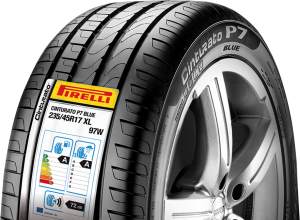
Alongside the main tyre code, you may notice some additional labels that provide more details about your tyre’s performance and quality:
- M+S (Mud + Snow): Found on all-season or winter tyres, this marking indicates suitability for moderate mud and snow conditions, though it’s not a substitute for dedicated winter tyres in harsher conditions.
- Three Peak Mountain Snowflake (3PMSF): An indicator on winter tyres that meets specific standards for snow traction. This symbol is a better indicator of winter performance than M+S alone.
- DOT Code: A code used to indicate the date of manufacture, which is essential for checking a tyre’s age. The last four digits of the DOT code show the week and year the tyre was made (e.g., 2519 indicates the tyre was made in the 25th week of 2019).
- Treadwear, Traction, and Temperature Grades: Often found on tyres sold in North America, these grades indicate a tyre’s expected lifespan, wet traction ability, and heat resistance.
Why Tyre Labelling Matters
Understanding tyre labelling helps you make informed decisions when choosing tyres that match your vehicle’s specifications and your driving needs. Selecting the right width, aspect ratio, load index, and speed rating ensures your tyres perform safely and efficiently.
At Tyreland, we’re here to help. If you’re unsure about which tyre specifications are best for your car, our team of experts will guide you through your options and ensure you get a safe, comfortable, and cost-effective ride.
Whatever your vehicle, here at Tyreland, we’ve got the biggest range of budget, mid-range and branded tyres at the best possible prices on the market. To enquire about stock or to find your nearest location, call today on 01 860 20 20. Don’t forget to ask about our other services too.